The average desktop tool you'll discover in a workshop has a base and body made of forged iron or steel. These substances are chosen for their electricity, robustness and their weight, which helps damp vibrations. however, it's not the simplest way to make a desktop tool. [John McNamara] has been engaged on a CNC mill with an epoxy base, with outstanding effects.
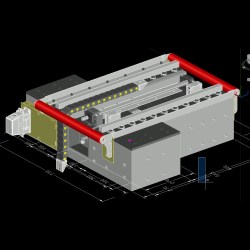 The molds were designed in CAD previous to casting, making certain there become room for all required components.
The construct is one which may be comfortably accomplished in any decently fitted makerspace. [John] used lasercut steel constituents to construct the molds for the epoxy base, with some customized turned constituents as smartly. The precision reduce materials fit along with splendid accuracy, and with suitable handle of the casting procedure there is minimal post-processing of the final solid piece required. The mould is built with zero draft attitude, and is designed to be taken aside to eradicate the complete pieces. by using steel, the identical mould will also be used again and again, though [John] notes that MDF can be used for a one-off construct.
the bottom is forged in epoxy, blended with granite aggregate and sand to create a robust, heavy, and vibration damping cloth. There are additionally metal reinforcements solid in vicinity along with threaded rods, and conduits for quite a few electrical connections. After casting, [John] has spent a lot time measuring and truing up the mill to be certain the absolute best results from the outset.
It's an awesome construct, that shows that constructing your personal accurate desktop tools is quite attainable with the appropriate equipment and talents. We've seen an identical work earlier than, too – epoxy really does make a good material for casting at home.


0 comentários:
Postar um comentário